Nostalgia - Living Archive

The Museum

Turn the shoebox into a museum.

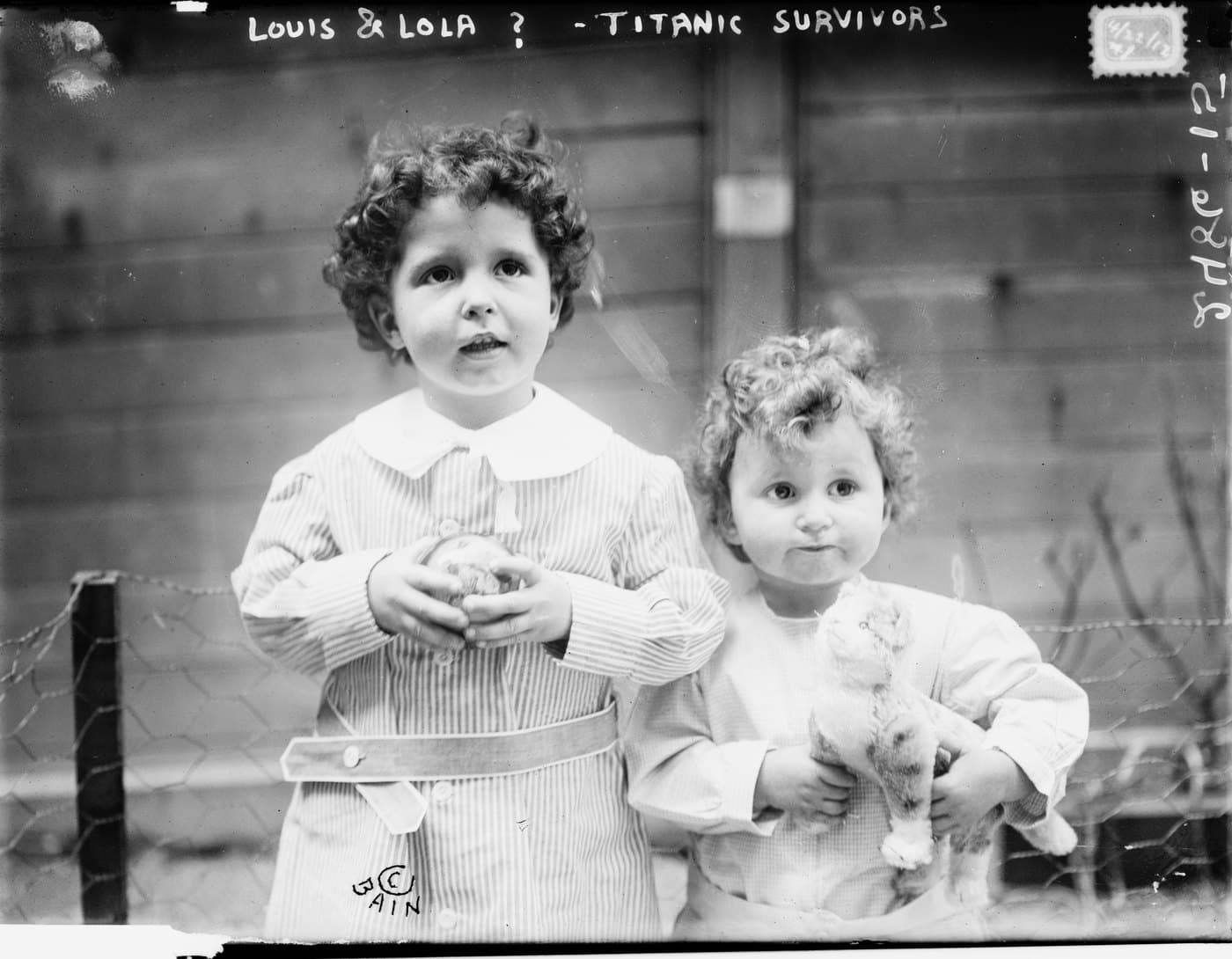
Every family keeps a shoebox: photographs nobody has dated, faces nobody wrote down. We build public exhibits from public-domain archives using exactly the tools in the app, to show what a shoebox can become. Real plaques. Honest provenance. Unknowns that stay unknown until someone identifies them.

Public-domain photographsEvery plaque cites what is knownBuilt with the same app you get
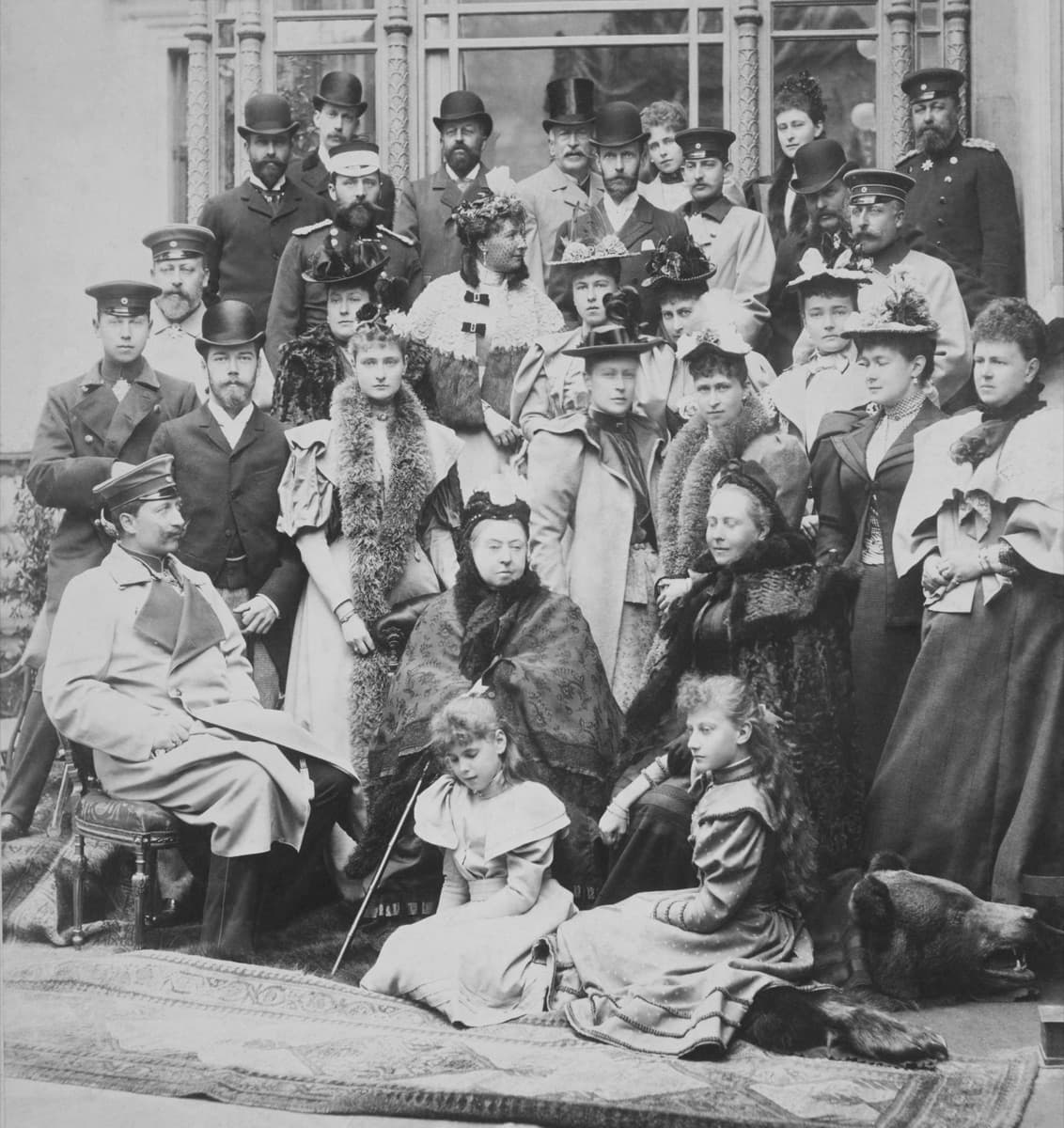
Queen Victoria surrounded by her family at Coburg, April 1894. Public-domain photograph.

Coburg, April 1894: one family, four future thrones. Photograph by Eduard Uhlenhuth, public domain, via Wikimedia Commons.

Now showing

Queen Victoria's Family: The Grandmother of Europe

Sixteen photographs, 1854 to 1901, from the first royal family ever photographed to the funeral that closed the century. Twenty-seven people on the tree behind the wall, and one plaque is still asking “Who is this?”

Now showing

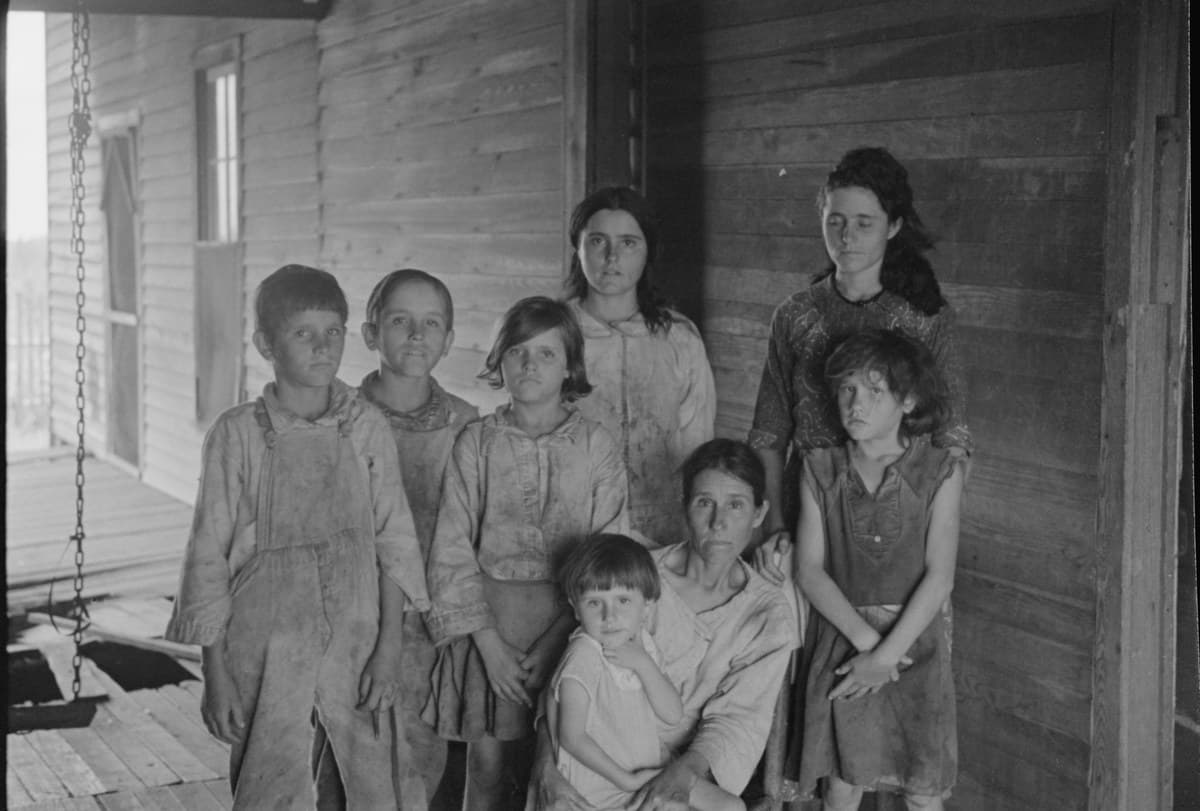
Seven Hungry Children: American Families, 1936-1939

Fifteen Farm Security Administration photographs by Dorothea Lange, Walker Evans and Arthur Rothstein. In the same summer, one photographer described a condition and left the families anonymous; the other wrote their names down. Eight of the fifteen have their names back — two of them only because a relative wrote in. Four plaques are still asking “Who is this?”

Now showing

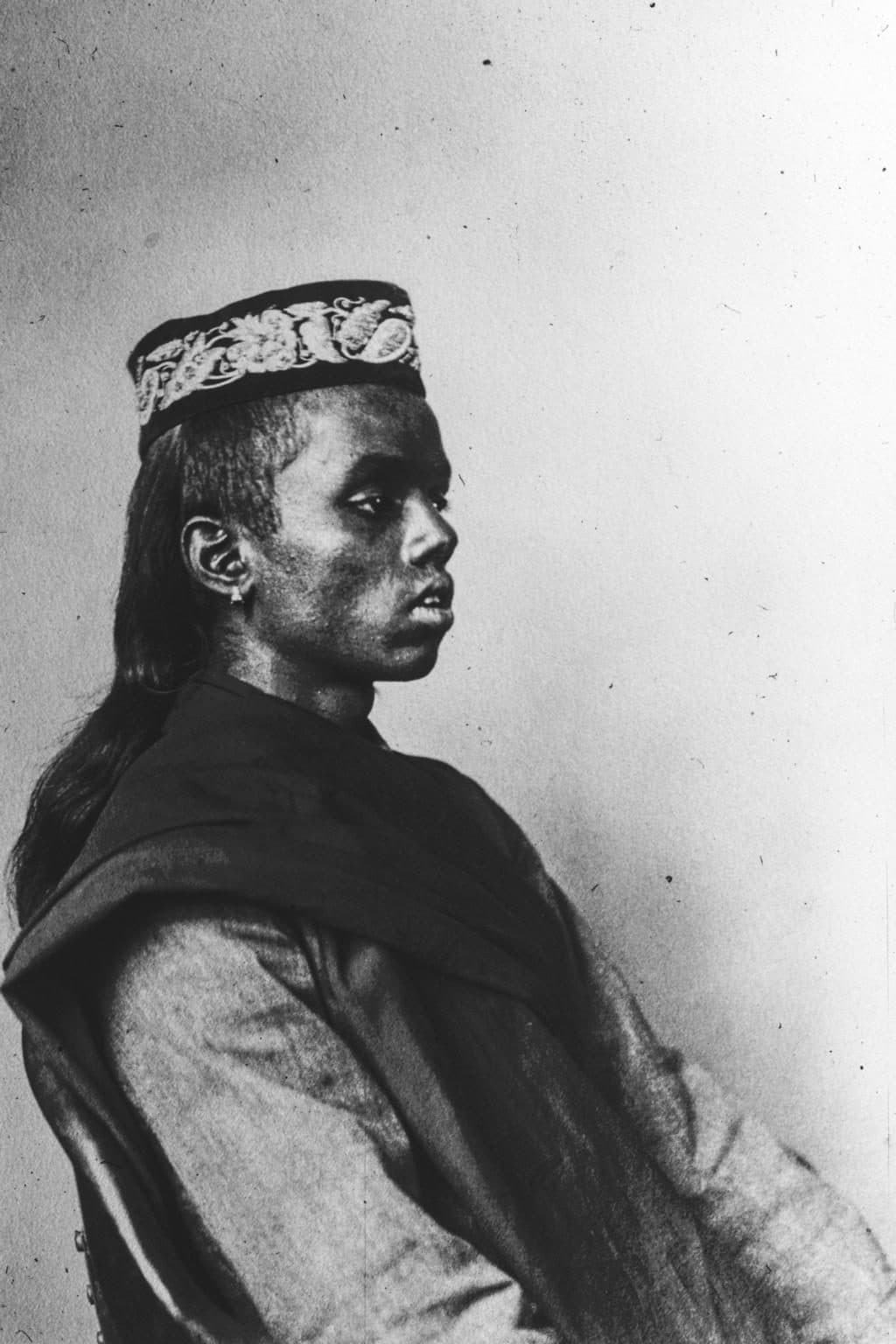
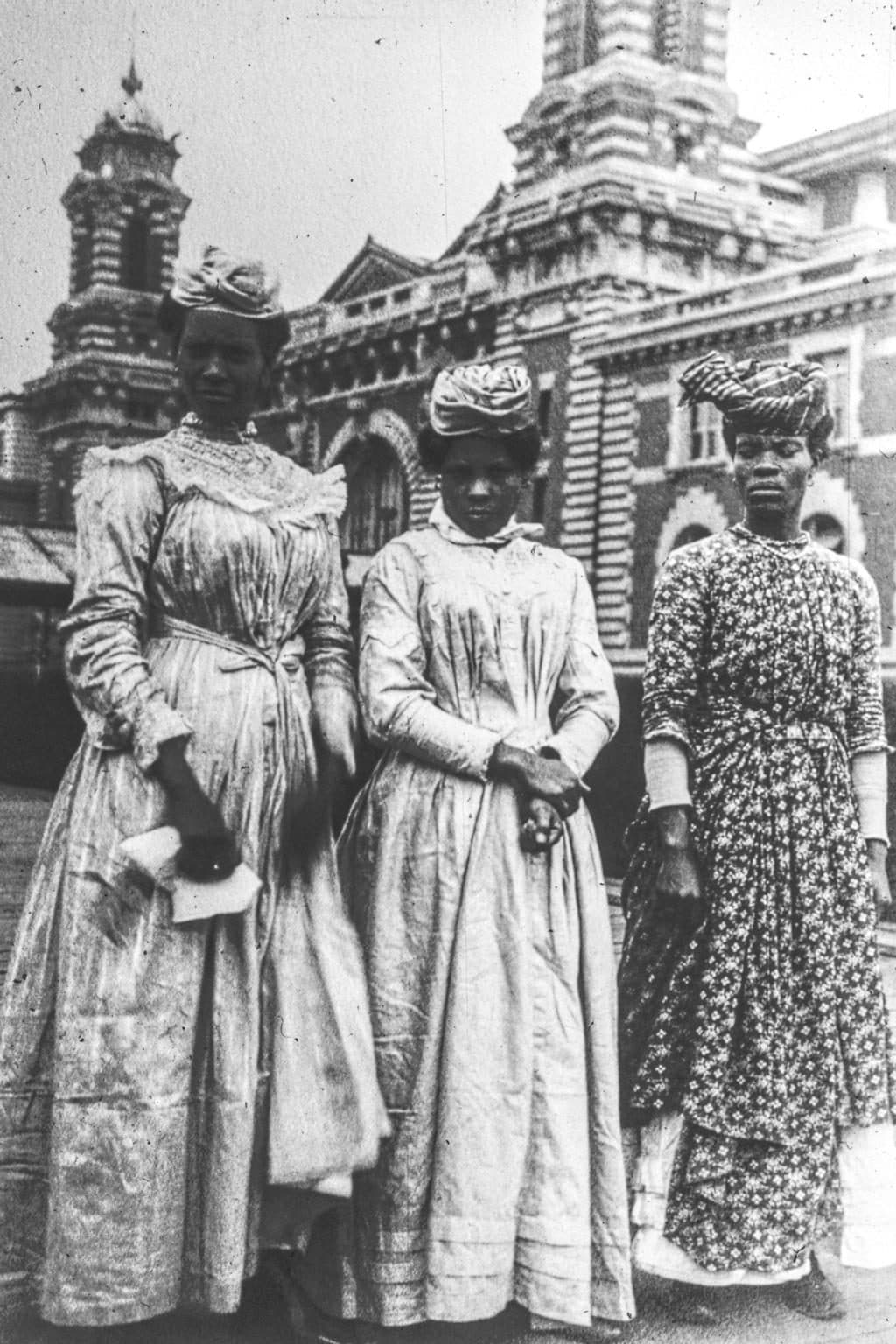
Ellis Island: The Families Who Arrived

Sixteen portraits by Augustus Sherman, 1905 to 1914: families, children and travellers photographed the day they arrived, in the clothes they crossed in. Three sitters have their names back. Thirteen plaques are still asking “Who is this?”

Every wall has people the archive never named. See everyone still asking “Who is this?” — gathered on one page, because recognising a face is the one thing a visitor can do that we cannot.

More exhibits are in preparation. Each one is also a working test of the product: what we learn curating them ships to every family's archive. Read about the archival approach.