
Nostalgia - Living Archive · The Museum
Investigation 02 · Three corrected records
The archive got it wrong. Then the evidence changed.
A catalog is not a verdict. Compare what each record said, what it missed, what arrived later, and what a careful revision still cannot claim.
- Cases
- Ellis Island and the FSA archive
- Method
- Old claim → evidence → revision → limit
- Time
- About eight minutes · no account
Before opening a case
Wrong can mean three different things.
- Incomplete
- Another surviving object carries information this record lost.
- Hidden
- The source contains evidence that a copy or interface failed to carry.
- Revised
- A later contributor supplies evidence the original maker never recorded.
Case files · Compare in any order
Do not erase the old record. Show what changed it.
Each case keeps four layers separate: the first record, the problem, the new evidence, and the bounded revision.
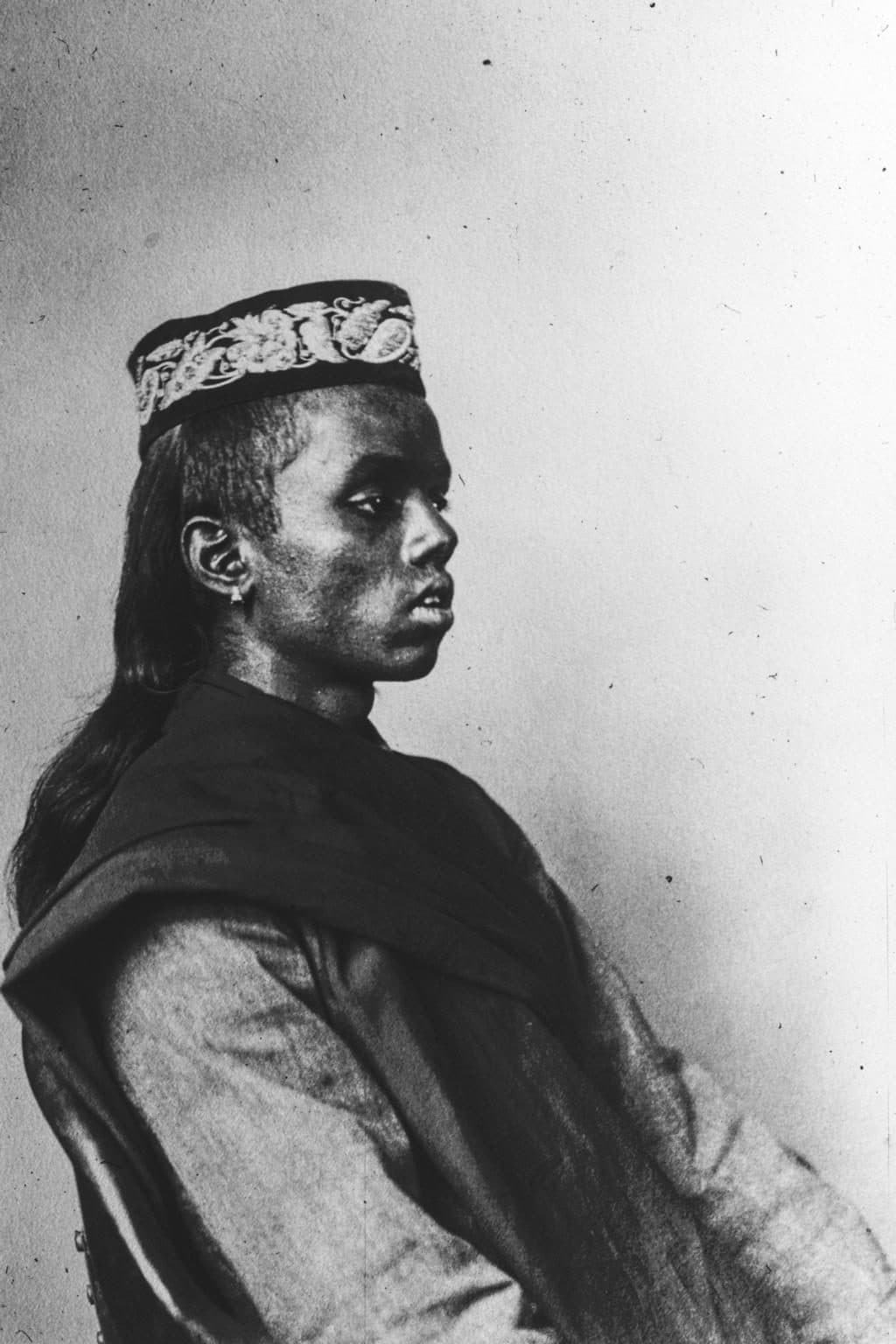
01A duplicate carried moreThe photograph stayed the same. The record gained a person.When is a filing label evidence, but not an identity?
One public copy circulated under the historical filing title “Hindoo boy”. It described how the portrait had been catalogued, but supplied no name.
A descriptive or outdated archive title can become mistaken for the person’s identity when the record and the sitter are treated as the same thing.
Another print carried a fuller caption: Thumbu Sammy, aged 17, ex S.S. Adriatic, April 14, 1911. A documented visual comparison connected the prints as the same negative.
The combined record supports the name Thumbu Sammy, an age of seventeen in the duplicate caption, the ship, and the date. The earlier title remains visible as catalog history, not as his name.
The evidence does not identify the caption writer, establish which words Sammy used for himself, or recover his life before and after the portrait.
02Our copy dropped a fieldWe called her unnamed. The source record already knew her.Can an interface mistake look like an archival absence?

Our first plaque said this frame did not name its mother because the title described only a migrant worker’s family and seven hungry children.
Our importer had captured title, date, contributor, and rights, but not the Library of Congress summary field. We mistook a gap in our copy for a gap in the archive.
A direct check of the live Library record found the summary naming Florence Thompson. The source had the answer; our data path had hidden it.
The plaque now names Florence Thompson and says that the names arrived later, rather than claiming that this particular record still left her anonymous.
This correction does not make every person in the frame named, nor does a later summary tell us exactly when or by whom each detail entered the record.
03A family member wrote inA relative turned “drought refugees” back into a family.Who is allowed to improve a public record?
The photograph’s title describes drought refugees from Oklahoma camping by the roadside and hoping to work in the cotton fields.
The condition was recorded more durably than the people. Read alone, the title turns a specific family into a representative scene.
The Library record now adds Zella (McCann) Power, her husband Jess, and their baby Jesse, and credits the identification to a family member.
The public plaque keeps the historical description and adds the three names and the provenance of the later identification. The correction is part of the record, not a silent replacement.
The source does not publish the contributor’s name or every step of the review. We can credit the kind of evidence without inventing its missing chain of custody.
Case files opened: 1 of 3.
Correction protocol
A record can change without pretending it never changed.
- 01Preserve
Keep the old wording, record date, source, and the exact object it described.
- 02Separate
Distinguish a source omission from a field your own import or interface failed to show.
- 03Test
Compare duplicates, source records, contributor evidence, and contradictions before revising.
- 04Revise
Publish the new claim, why it changed, who or what supplied the evidence, and what remains unknown.
Sources and citation
Audit the corrections yourself.
Suggested citation: “The Archive Got It Wrong,” Nostalgia Museum, reviewed 22 August 2026.
- New York Public Library · Image ID 418056A duplicate carried more. Exact public photograph linked in the case file.
- Library of Congress · item 2017762903Our copy dropped a field. Exact public photograph linked in the case file.
- Library of Congress · item 2017763095A family member wrote in. Exact public photograph linked in the case file.
Continue in public
Follow the evidence into another room.
Your record, when you choose
Keep the photograph and its changing knowledge together.
Preserve the Source, the back, the first caption, later family answers, and uncertainty as one private record. A correction should add provenance, not flatten the history.
Restore one photo freePrivate by default. No Museum publication unless you deliberately publish elsewhere.