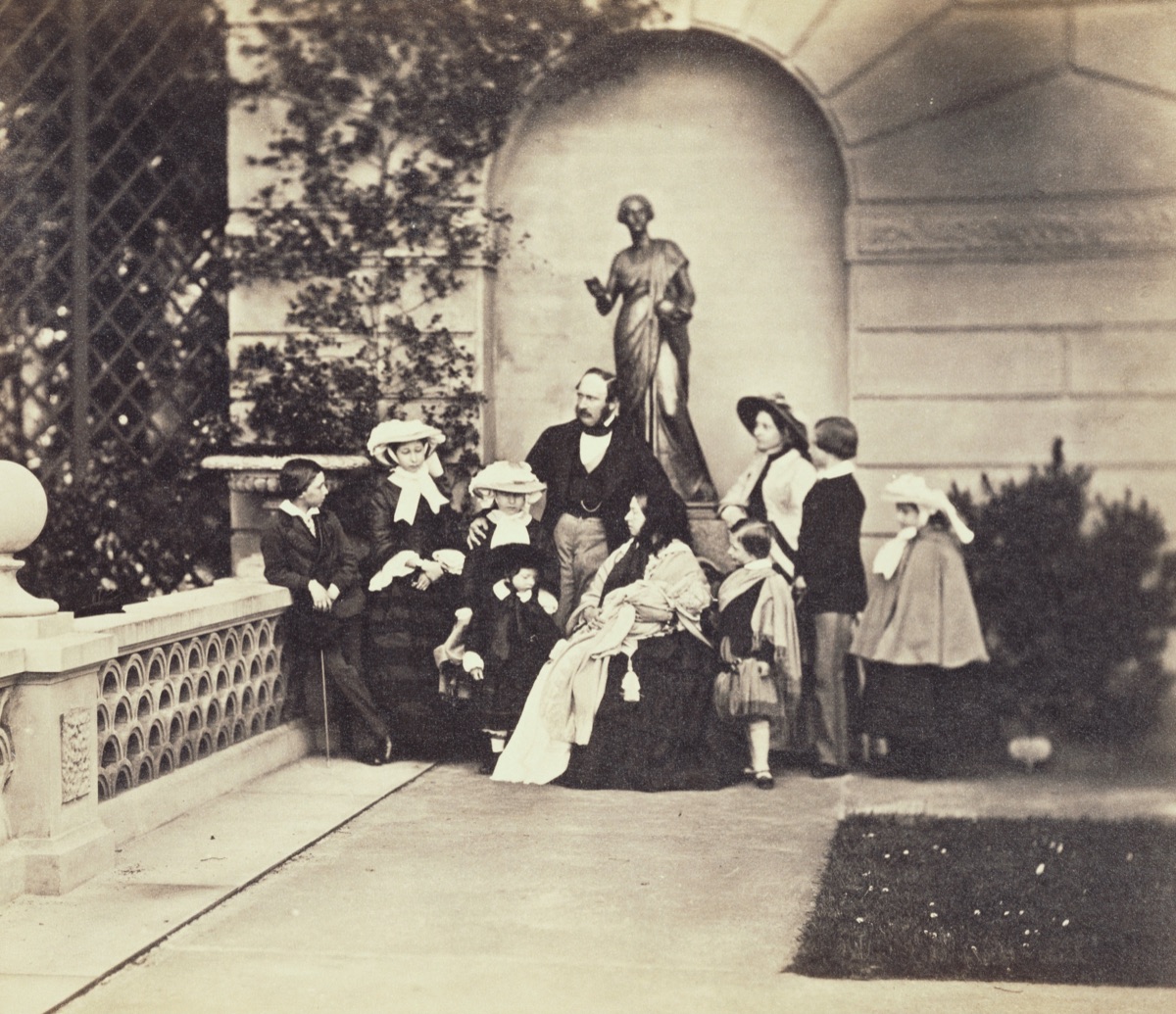
A medium fifteen years old
When Roger Fenton photographed the royal family in 1854, photography was about fifteen years old. So was the marriage at the centre of the picture. Neither had settled into what it would become.
That is what makes this particular family useful to look at. They were photographed continuously for nearly fifty years, by a medium that changed underneath them, and the pictures record both.
The carte de visite, or why there are so many
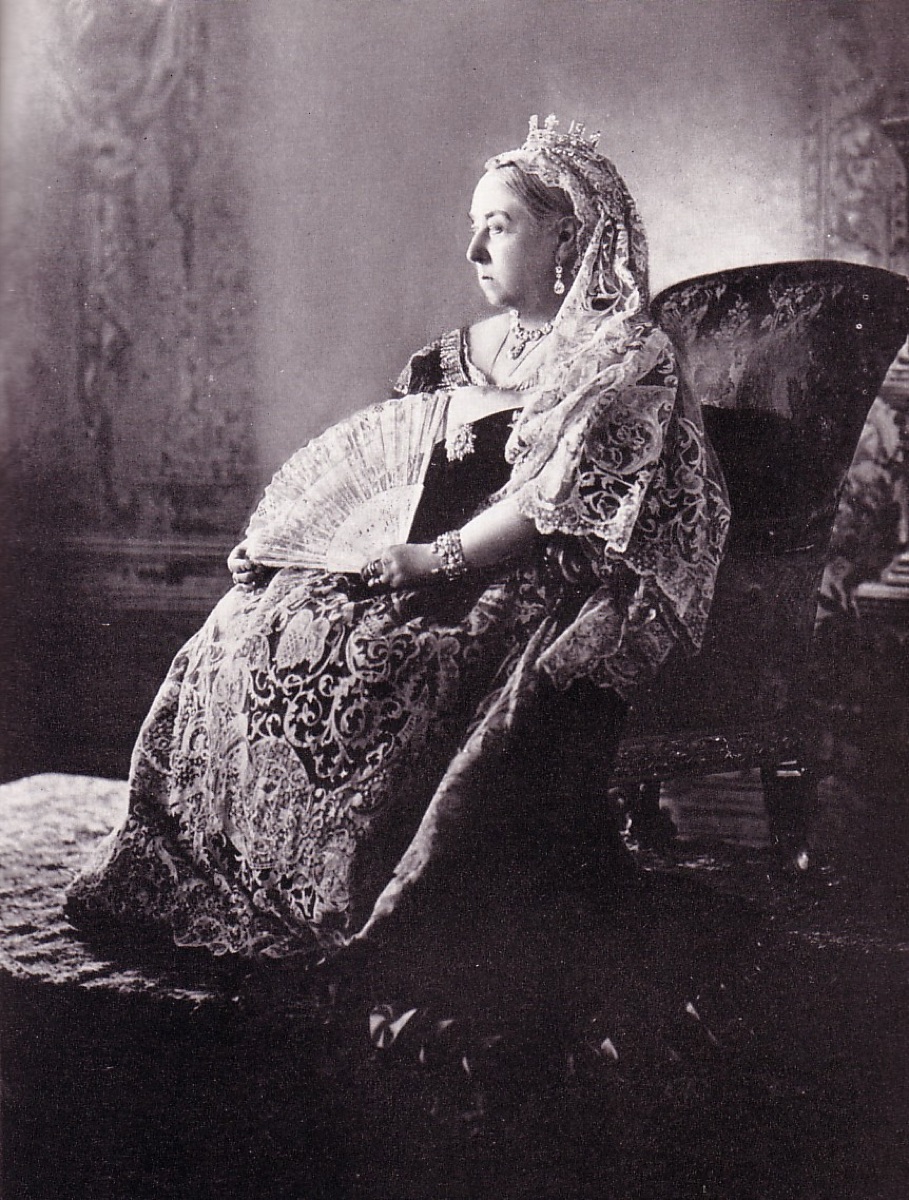
In the early 1860s the carte de visite arrived: a small, cheap, mass-produced photographic card. Mayall's portraits of the Queen sold in enormous numbers, and for the first time ordinary households could own a picture of a person they would never meet.
This is the moment photography stopped being a portrait sitting and became a thing that circulates. Every family album that follows, including yours, descends from that change.
What the photographs could not show
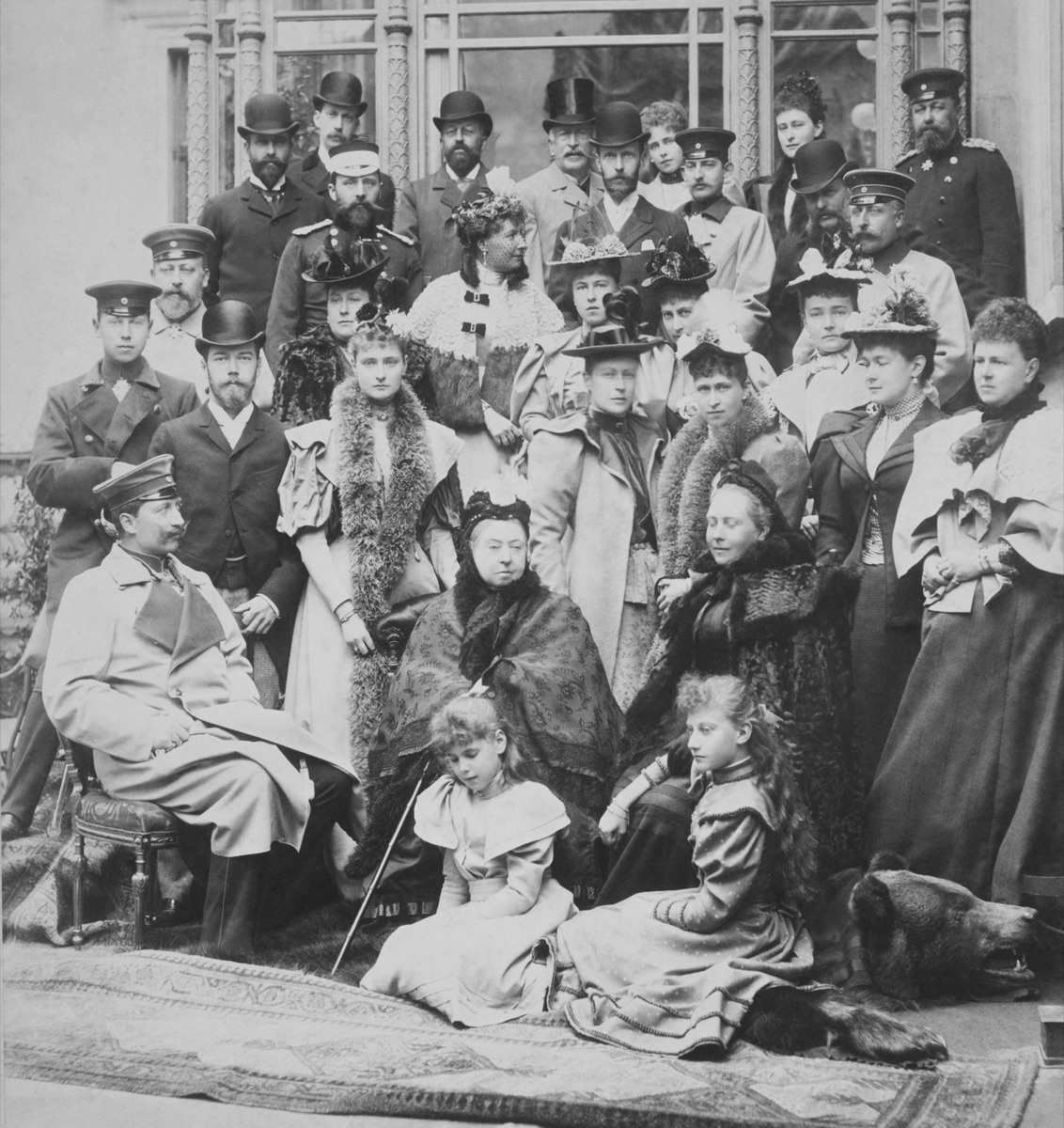
Haemophilia entered several of Europe's royal houses through Victoria's children. In three of the photographs on our wall, nobody in the frame knows it is there. The camera recorded a family group; it could not record what was moving through it.
That gap is worth sitting with, because it is the honest limit of any photograph. A picture holds a face, a room, a day. It does not hold what the people in it did not know, and it does not hold what nobody wrote down.
Even here, somebody is unidentified
One plaque on the wall shows three of Victoria's grandsons and the record does not say which three. This is the most photographed, most documented family in nineteenth century Europe, and it still has an unnamed picture in it.
If the best documented family in Europe has an unidentified photograph, an ordinary family has a boxful. The difference is that yours still has people alive who can answer, and that window closes.
Related posts
 Story
StoryHow a duplicate print helped identify a boy in an archive
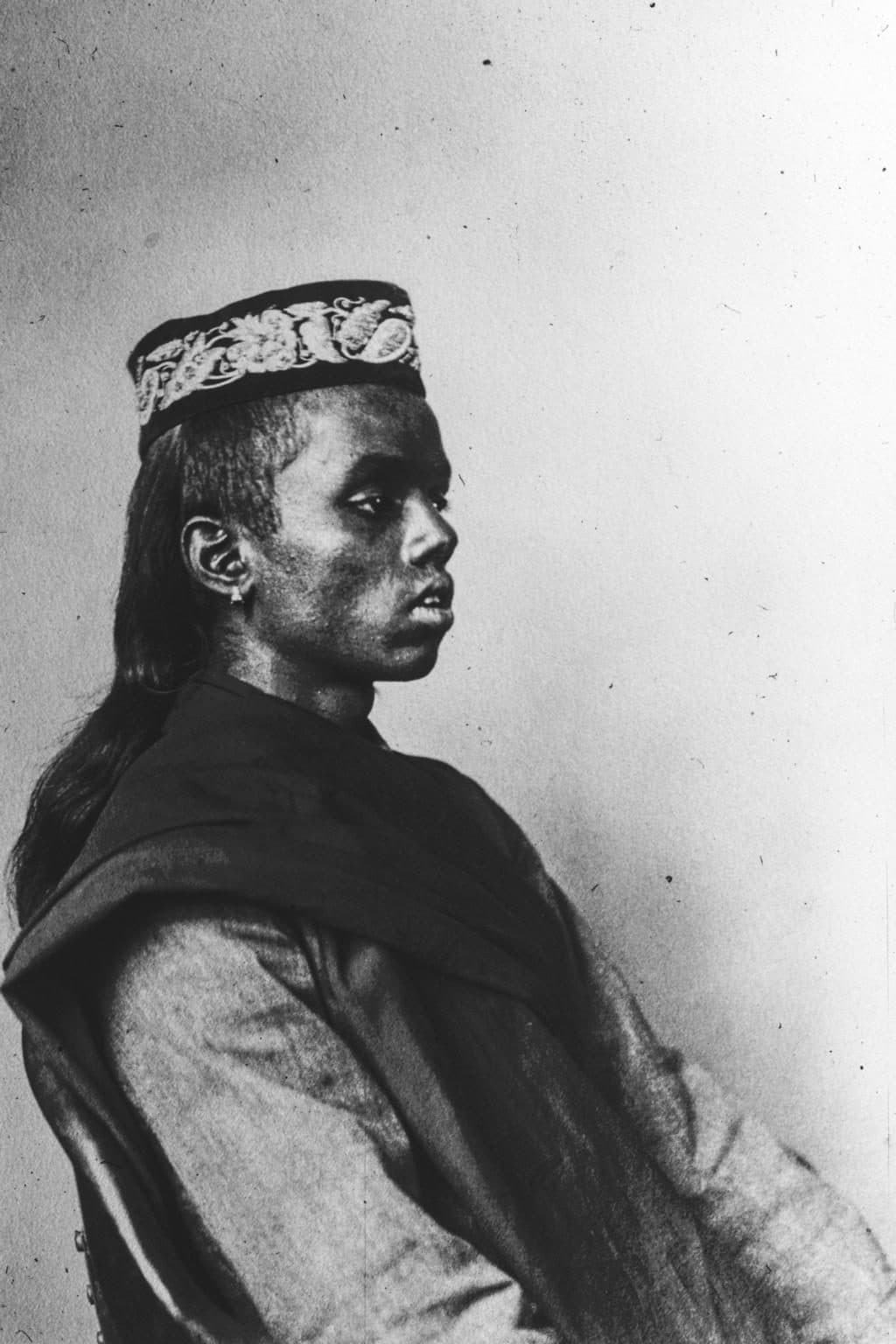
Augustus Sherman photographed thousands of arrivals at Ellis Island and recorded almost none of their names. One young man was catalogued by a racial label for a hundred years. A second copy of the same photograph, captioned by somebody else, gave him back his name, his age and his ship.
 Story
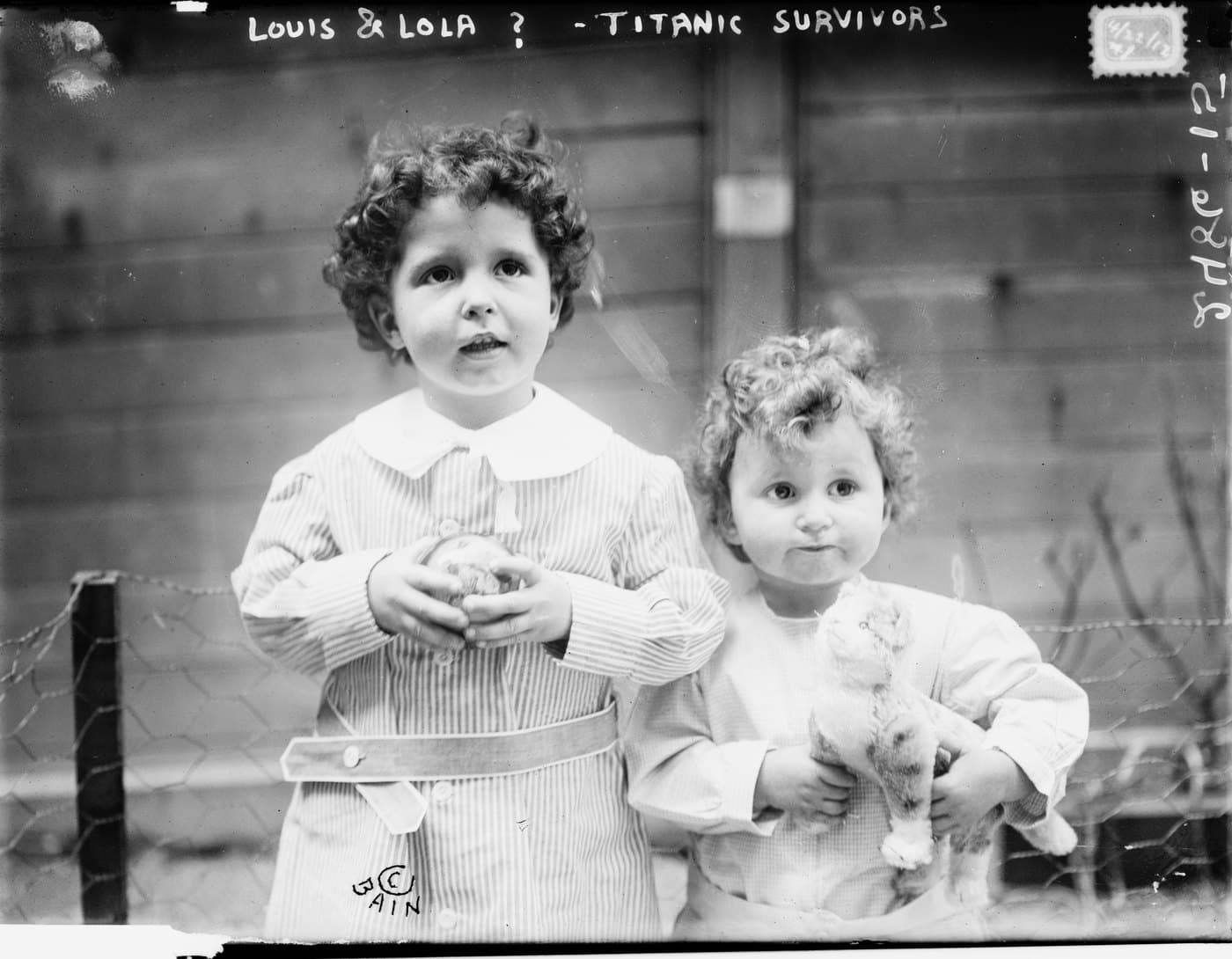
StoryHow a photograph helped reunite the Titanic orphans with their mother
In April 1912 two small boys came off the Carpathia and nobody knew who they were. Their photograph was published as evidence. Somebody recognised them. Fourteen public-domain survivor photographs still carry the archive's own question marks.
 Story
StorySomebody's relative recognised them and wrote in, decades late
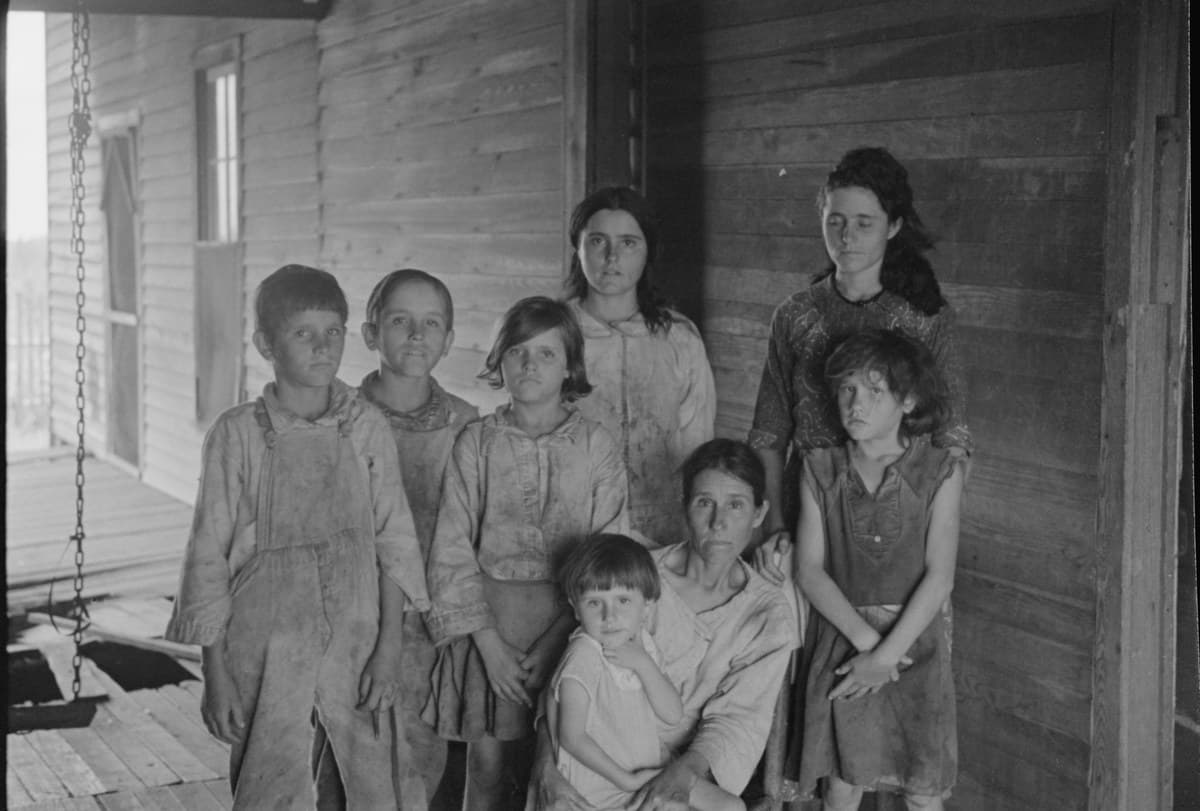
In the summer of 1936 two photographers documented the same crisis. One wrote down names, the other did not. Ninety years on, the national archive credits one identification simply to a family member. That is the whole argument for writing names down while somebody still knows them.