Names that were not names
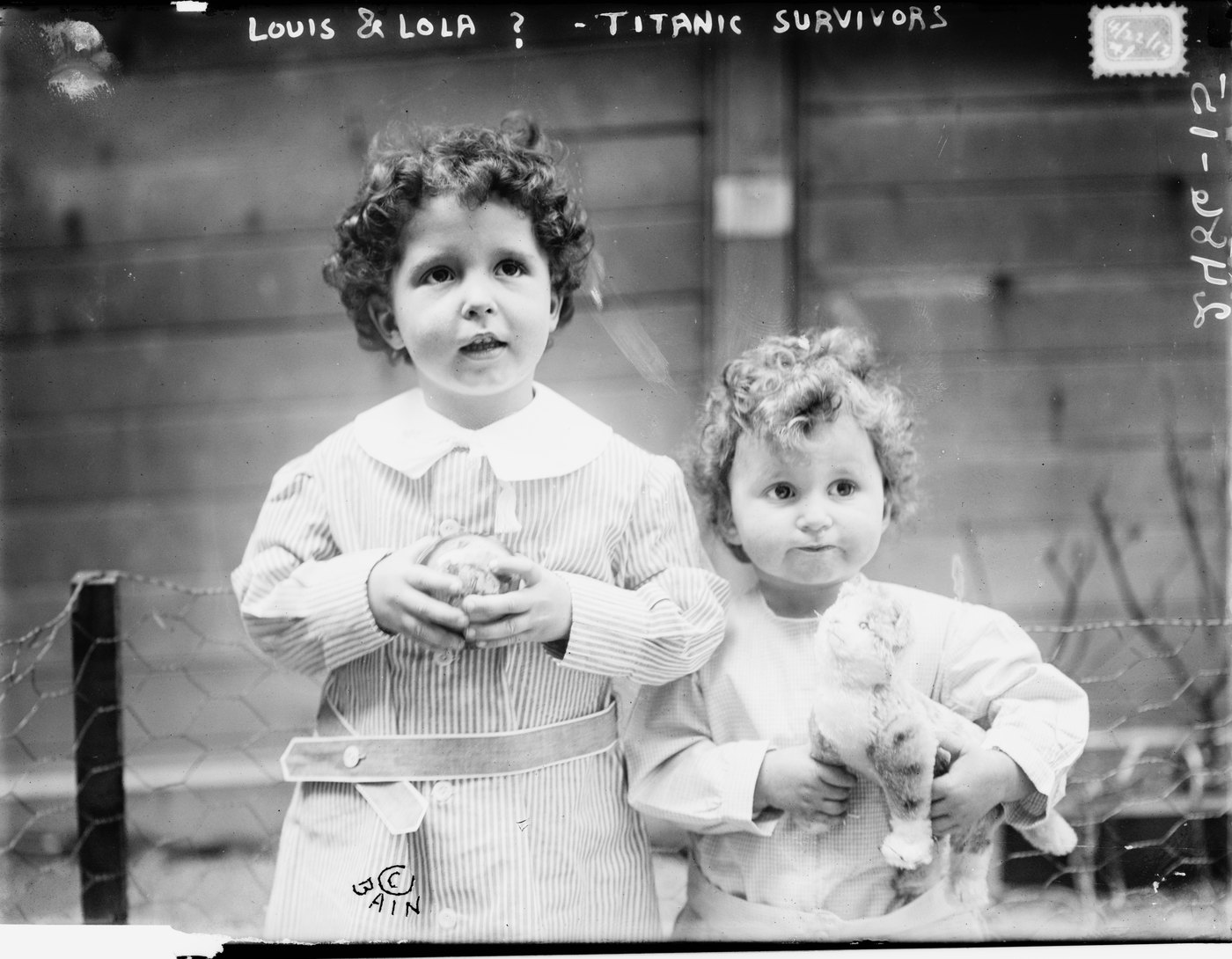
The two boys came off the rescue ship Carpathia in April 1912, and nobody who met them could say who they were. Newspapers needed something to print, so they printed guesses. Louis and Lola. The names stuck to the photograph, and the photograph stuck to the names.
The caption is written on the picture itself. Bain News Service inked titles onto the glass negative, because the caption had to travel with the plate. Louis and Lola, Titanic survivors, question mark included, is physically part of the frame. The uncertainty is not a later editorial note. You can read it.
The photograph did the work a name usually does
Their father had boarded under an assumed name, taking the boys with him. Their mother was in France and did not know they had been on the ship. What crossed the Atlantic in the papers was not a plea with a correct name. It was a face.
Somebody recognised the face. The boys were Michel and Edmond Navratil, and the photograph is why their mother found them. That is the whole argument for hanging a picture where people who might know can see it, rather than waiting until the record is already complete.
What the rest of the wall still asks
Fourteen photographs from those days hang as a public exhibit. Nine plaques carry names because the archival record carries them: the Navratil boys, Stuart Collett, Margaret Brown, Henry Frauenthal, Karl Behr, Arthur Rostron. Two dates were left off on purpose, because the record itself is marked uncertain, including a date two days before the ship sank.
The others are a crowd at a pier, people in a lifeboat, faces from the worst day of their lives, and the record kept none of their names. If you recognise somebody, the plaque takes answers, and you do not need an account.
Related posts
 Story
StoryHow a duplicate print helped identify a boy in an archive
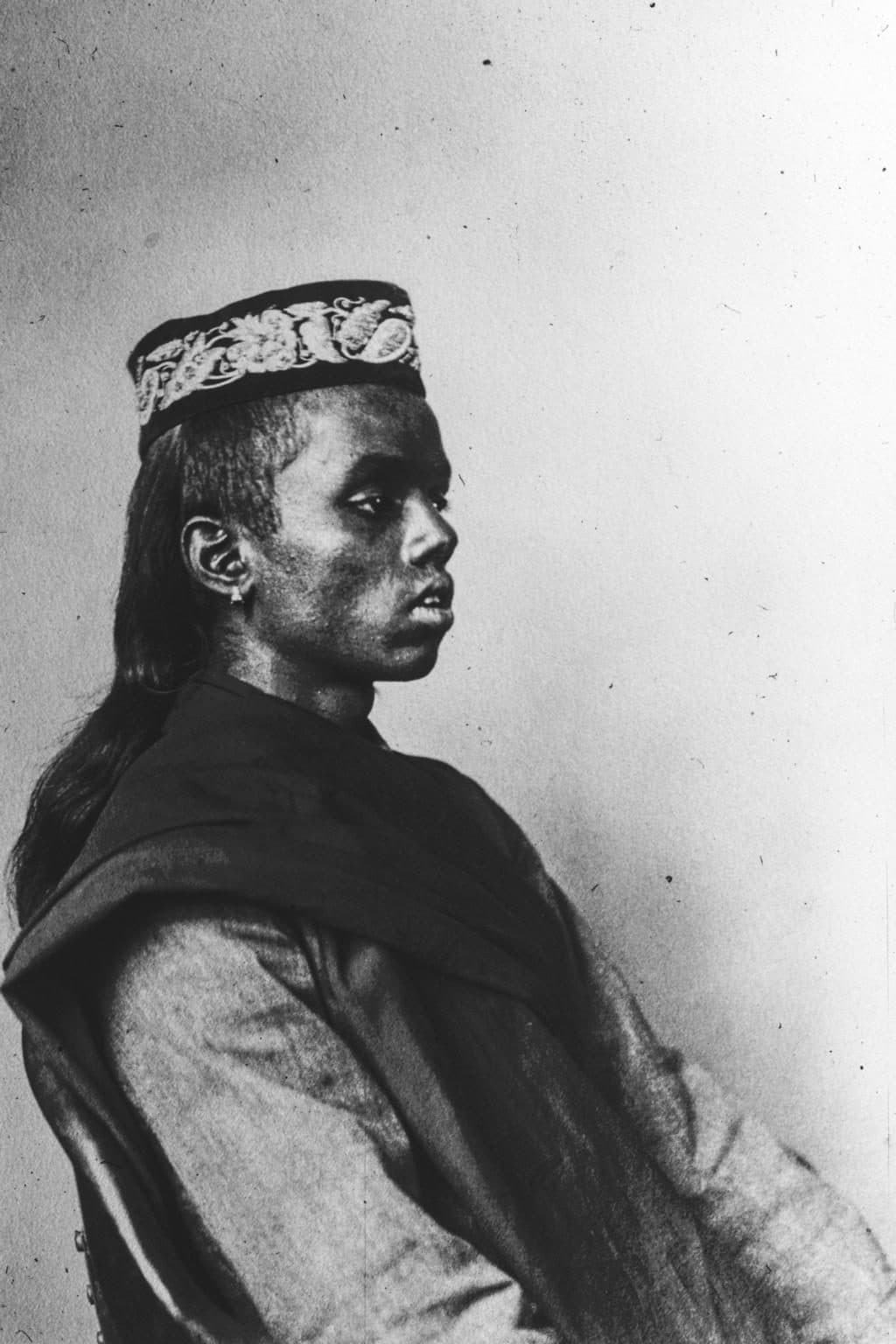
Augustus Sherman photographed thousands of arrivals at Ellis Island and recorded almost none of their names. One young man was catalogued by a racial label for a hundred years. A second copy of the same photograph, captioned by somebody else, gave him back his name, his age and his ship.
 Story
StorySomebody's relative recognised them and wrote in, decades late
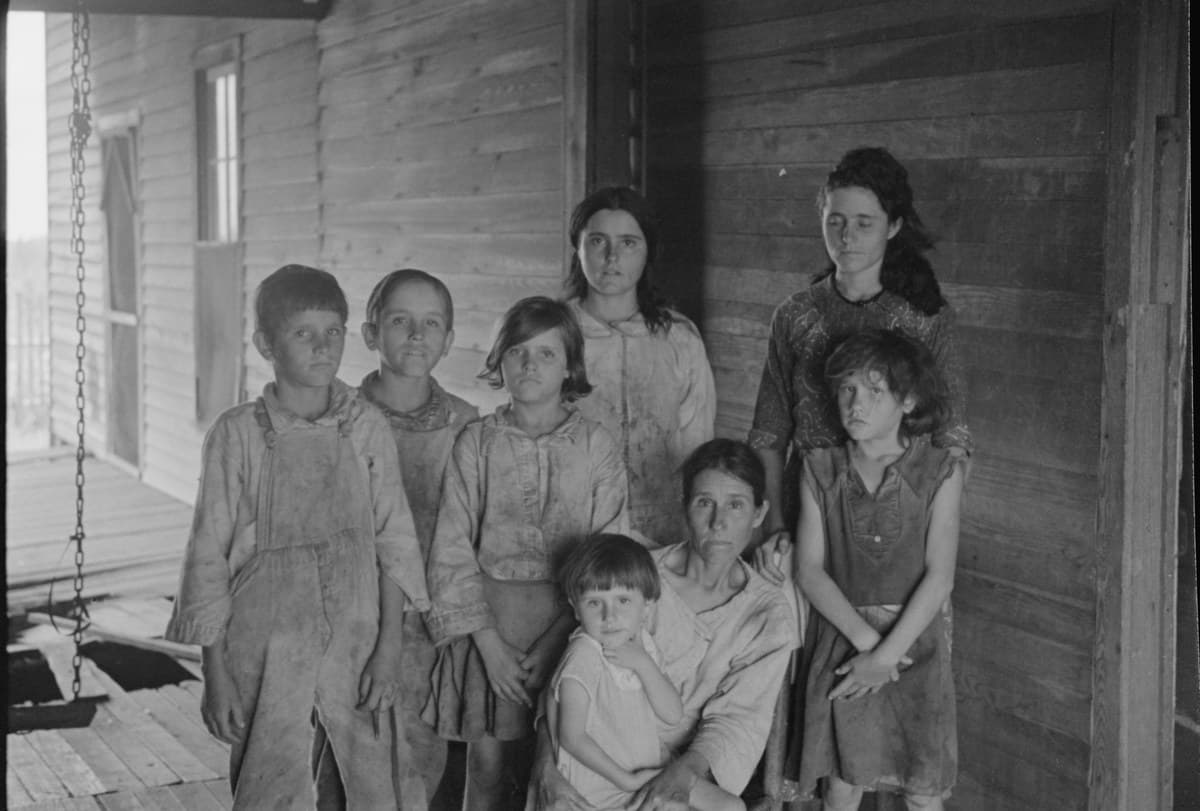
In the summer of 1936 two photographers documented the same crisis. One wrote down names, the other did not. Ninety years on, the national archive credits one identification simply to a family member. That is the whole argument for writing names down while somebody still knows them.