The same summer, the same crisis, two different records
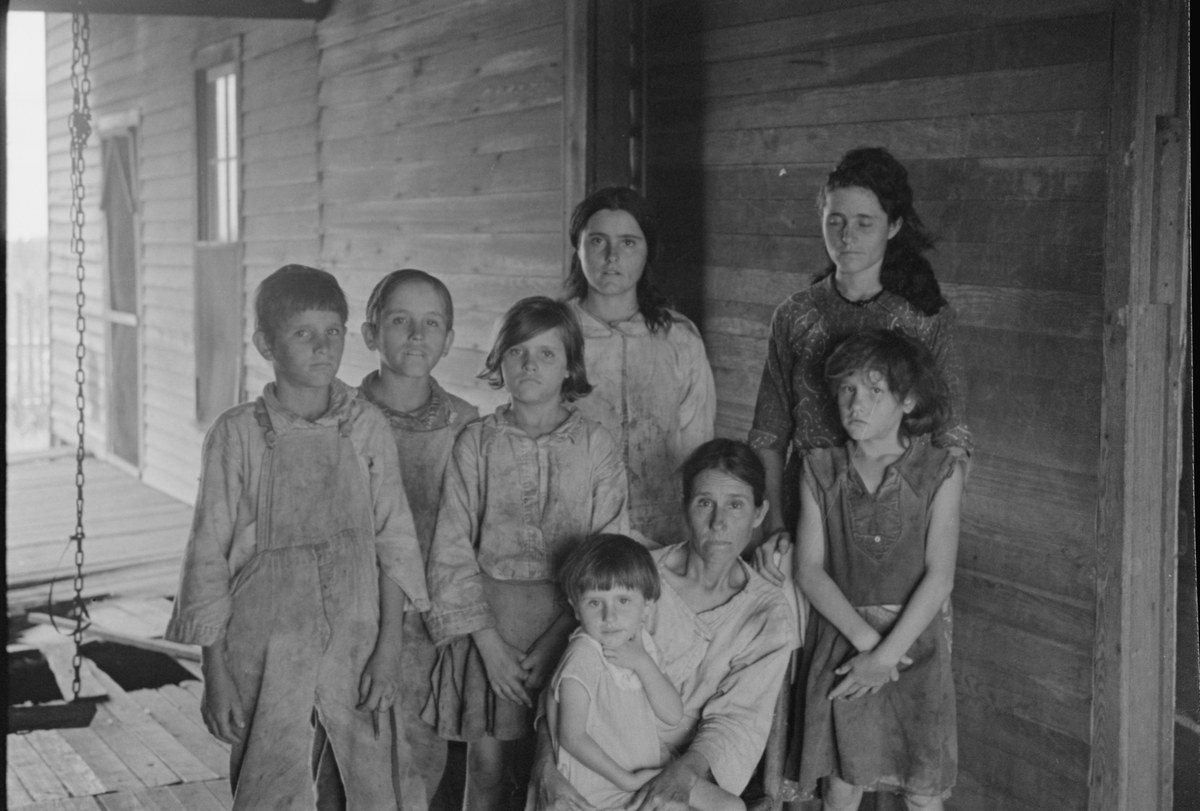
In 1936 the Farm Security Administration sent photographers across the United States to document what the Depression was doing to farming families. Dorothea Lange followed the road west and wrote captions that described a condition: destitute pea pickers in California, a migrant agricultural worker's family, seven hungry children.
In Hale County, Alabama, Walker Evans sat in three houses and wrote down who was in front of him. Allie Mae Burroughs. Floyd Burroughs. Bud Fields. Frank Tengle.
Same programme, same year, same country. One set of families kept their names. The other set became a description of a condition, and stayed that way.
What we found when we checked our own captions
We built a public exhibit from fifteen of these photographs, writing each plaque from the archival record and stopping where the record stops. Then we fact-checked our own plaques against the national archive catalogue, expecting to confirm what we had written.
We were wrong twice, in the direction that matters. Two families we had recorded as anonymous had already been identified, years after the photographs were taken. And the national archive credits one of those identifications simply to a family member.
Somebody recognised a face in a federal archive, and wrote in. Nobody paid them, nobody asked them, and the record is better for it forever.
Eight of fifteen have names. Seven do not.
That is the honest count on the wall today, and it is not going to improve on its own. The photographs are ninety years old. Everyone who could have supplied a name from memory is gone, and what is left is the slow chance that a descendant recognises a face.
Your own boxes are the same problem, at an earlier stage. The difference is that the people who can still answer are alive, and reachable, and will answer a photograph in a group chat faster than they will answer a question about the past in the abstract.
- A name written on a plaque outlives the person who remembered it.
- A name nobody writes down is lost at the speed of one funeral.
- The archive itself shows people do write in, given somewhere to write to.
What restoration can and cannot do here
We ran all fifteen through a Museum restore pass in August 2026, and judged the results by eye against conditions written down before the run. Two earned a before and after slider on the story page. Three were rejected because the model invented detail on a face, including freckles on Allie Mae Burroughs that do not exist in the negative. One came back byte for byte identical to the original. That pass is from August 2026. It is not a promise about the restore you get today.
So the wall shows each photograph as it survives, and the restoration is something you pull across it rather than the thing you are handed. Recovering a face is a task software can attempt. Recovering whose face it is remains something only a person can do, which is why every plaque that has no name asks the question instead of guessing.
Related posts
 Story
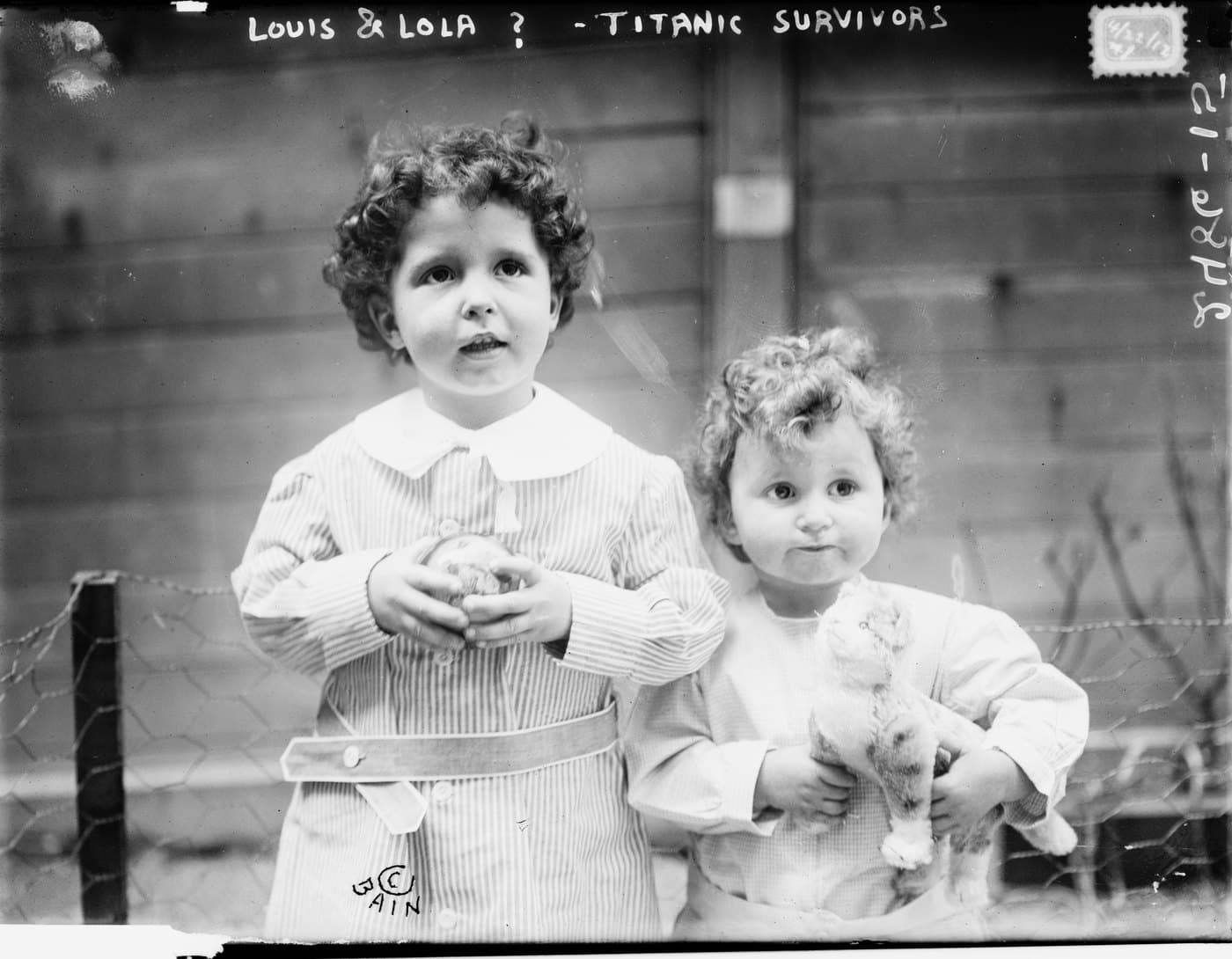
StoryHow a photograph helped reunite the Titanic orphans with their mother
In April 1912 two small boys came off the Carpathia and nobody knew who they were. Their photograph was published as evidence. Somebody recognised them. Fourteen public-domain survivor photographs still carry the archive's own question marks.
 Guide
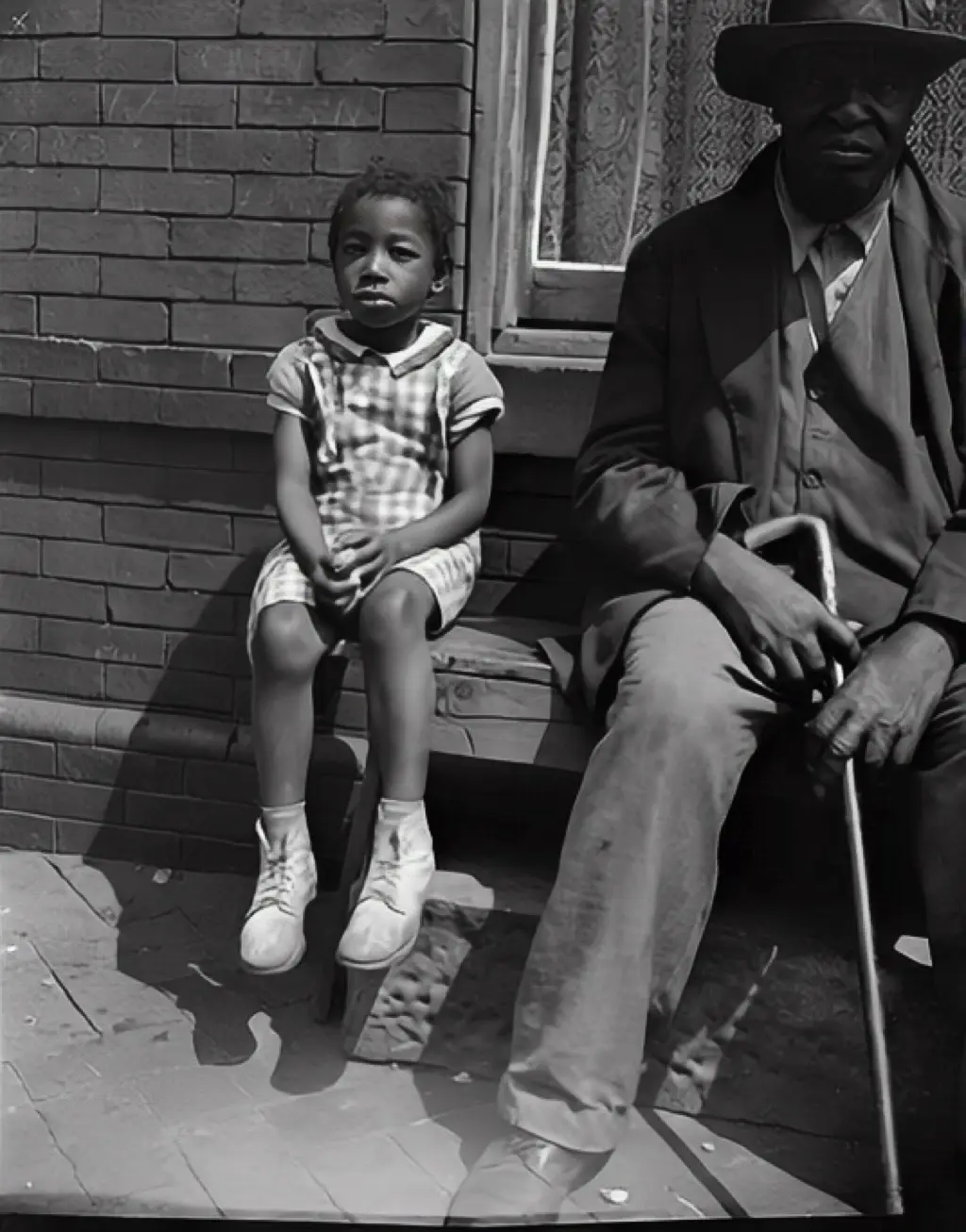
GuideBefore they're gone: writing down the names while someone still remembers
Damage to an old photo is the obvious problem. The quieter one is the name nobody can place. A gentle guide to sitting down with the family and capturing who, where, and when, while the person who knows is still here to ask.
 News
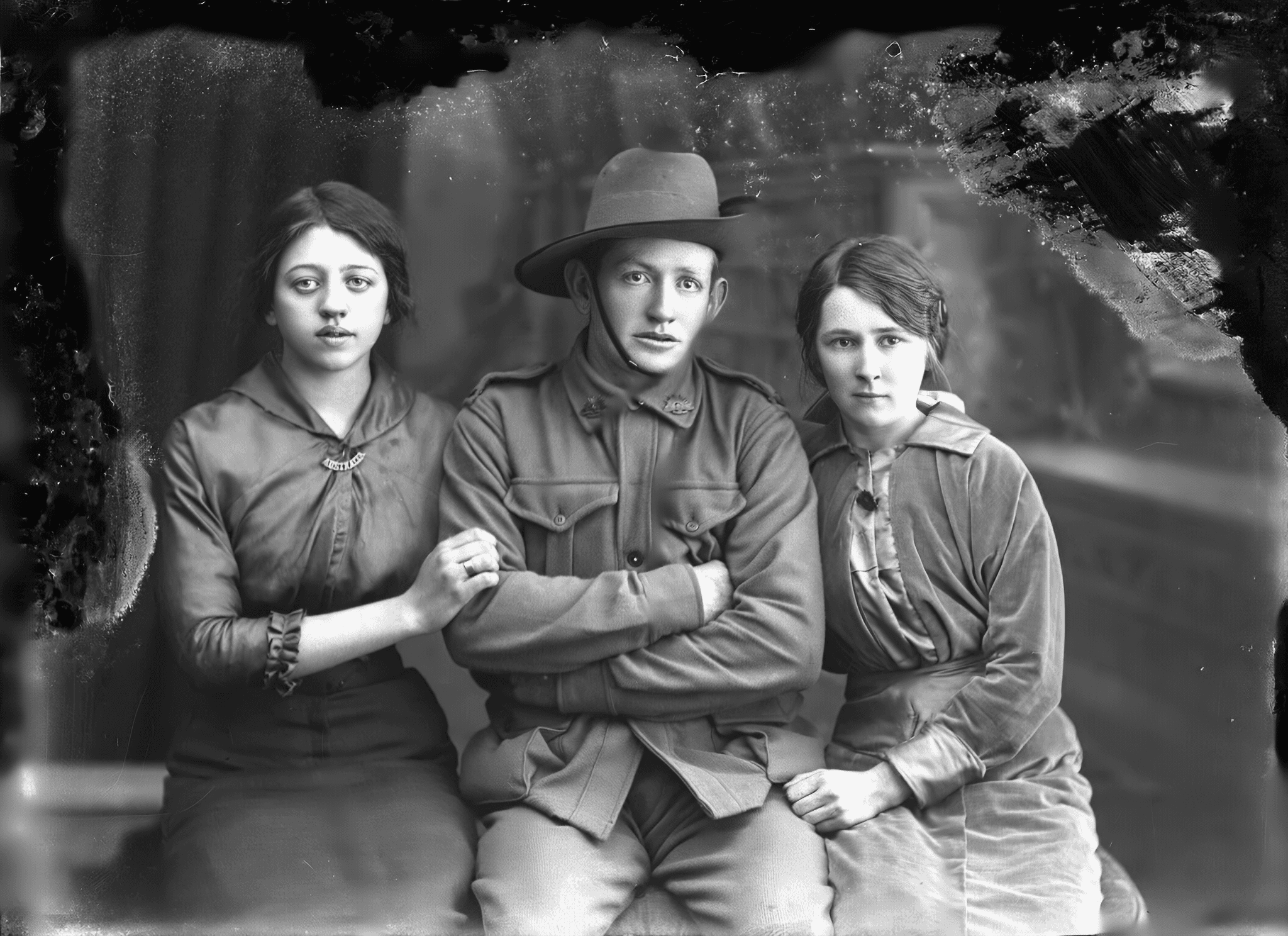
NewsAsk your family to identify a face
A restored photo posted into a family chat with a question gets you names that no software can recover. Here is how to ask, what the person who opens the link sees, and why their answer never enters your Archive until you say so.