The clerk with a camera
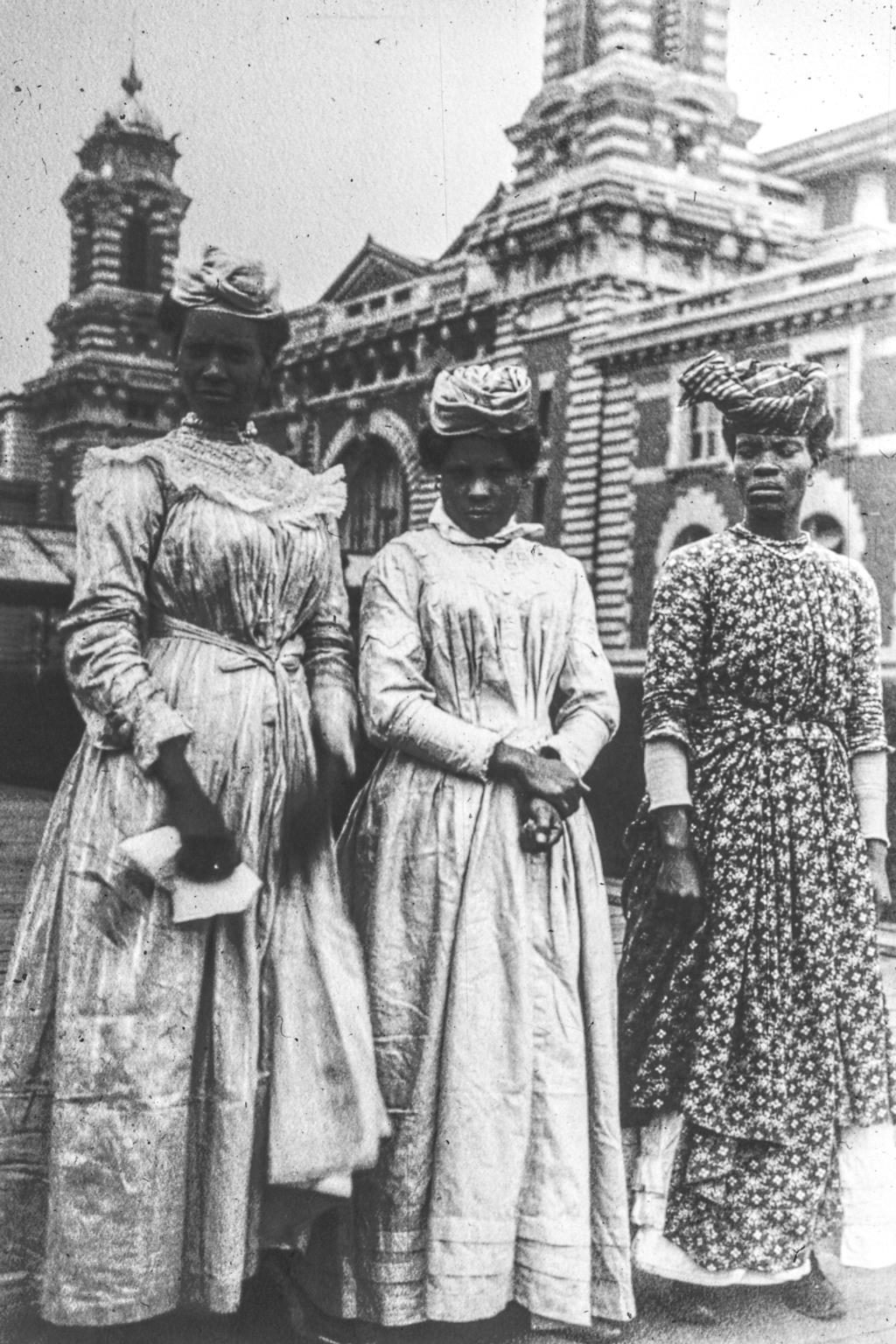
Augustus Sherman was the chief registry clerk at Ellis Island, and between about 1905 and 1920 he photographed the people passing through it. His captions record what he could see: a costume, a country, sometimes an occupation. A Romanian piper. Three Scottish boys. A Bavarian miner in ceremonial dress.
What they almost never record is a name. Not because anyone decided these people did not deserve one, but because a name was not the thing being catalogued. The photograph was a record of a type, and the person in it was incidental to the filing.
One hundred years as a label
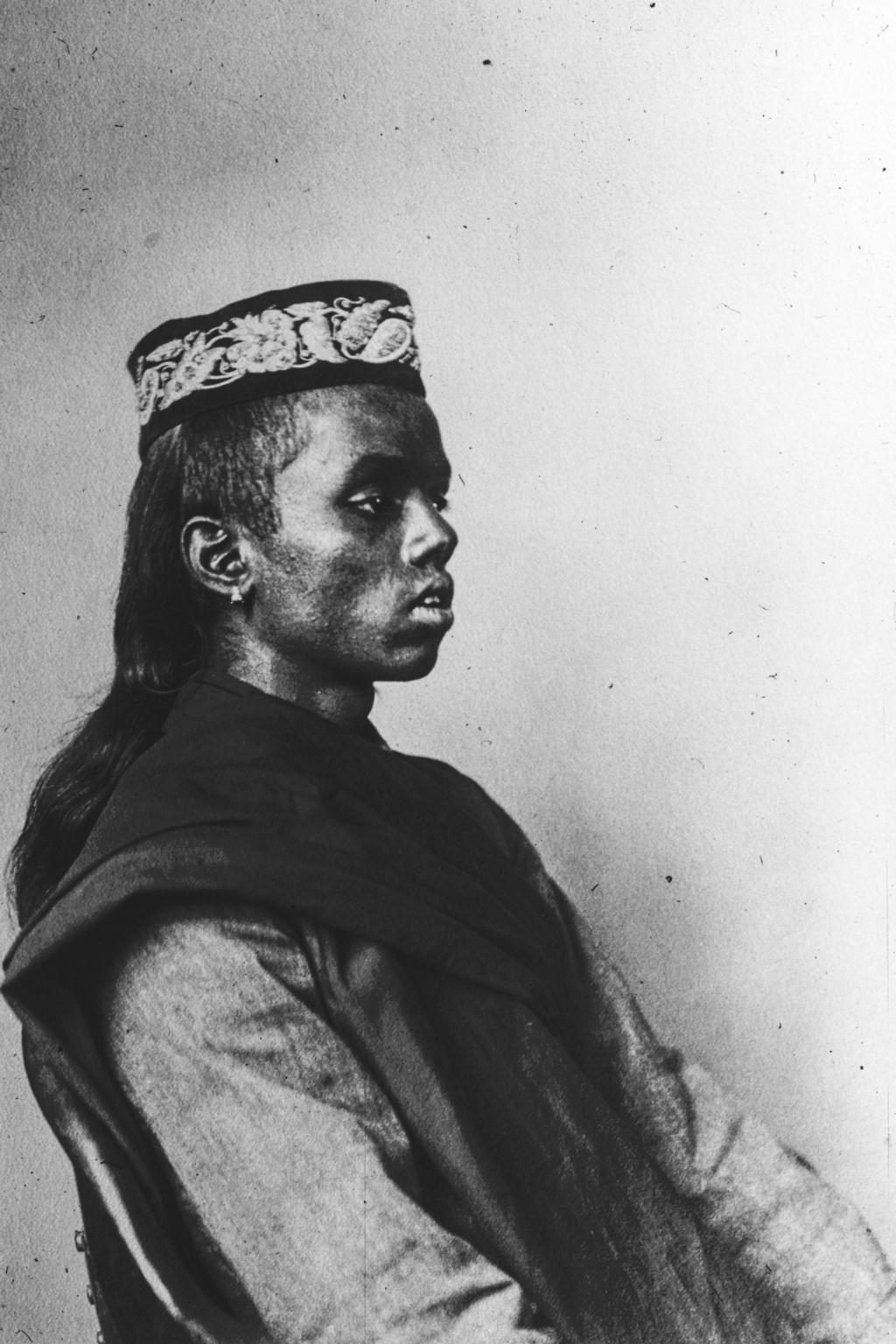
One of Sherman's sitters is a young man photographed on 14 April 1911. For roughly a century the archive filed him under a racial label rather than a name.
Then a duplicate print turned up carrying a fuller caption: Thumbu Sammy, aged 17, ex S.S. Adriatic. A name, an age, and the ship he arrived on. Nothing about the photograph changed. Somebody had simply written more on the back of another copy, and that copy survived.
Why this is not a story about archives
It is a story about backs of photographs. The identifying information did not live in the image, it lived in a caption somebody wrote on a second copy, and it survived by luck rather than design.
Your own boxes work the same way. The pencil note on the reverse saying “Mae and Tom, Christmas 1962” is doing the same job as the caption on that duplicate print, and it is just as easy to lose. Scanning the front and leaving the back is how a family archive becomes a set of anonymous portraits in one generation.
- Scan the back of every print, not just the ones with obvious writing.
- A name recorded anywhere outlives the person who remembered it.
- Duplicates are not waste. The second copy is often the one carrying the caption.
Thirteen of sixteen are still asking
We hung sixteen of Sherman's portraits as a public exhibit and wrote each plaque from the archival record, stopping where the record stops. Three sitters have their names: Wilhelm Schleich, Reverend Joseph Vasilon, and Thumbu Sammy. The other thirteen plaques ask who is this, because nothing we could find answers it.
If your family came through Ellis Island in those years and kept photographs, some of those faces may not be strangers to you. The plaques take answers, and you do not need an account to leave one.
Related posts
 Story
StoryHow a photograph helped reunite the Titanic orphans with their mother
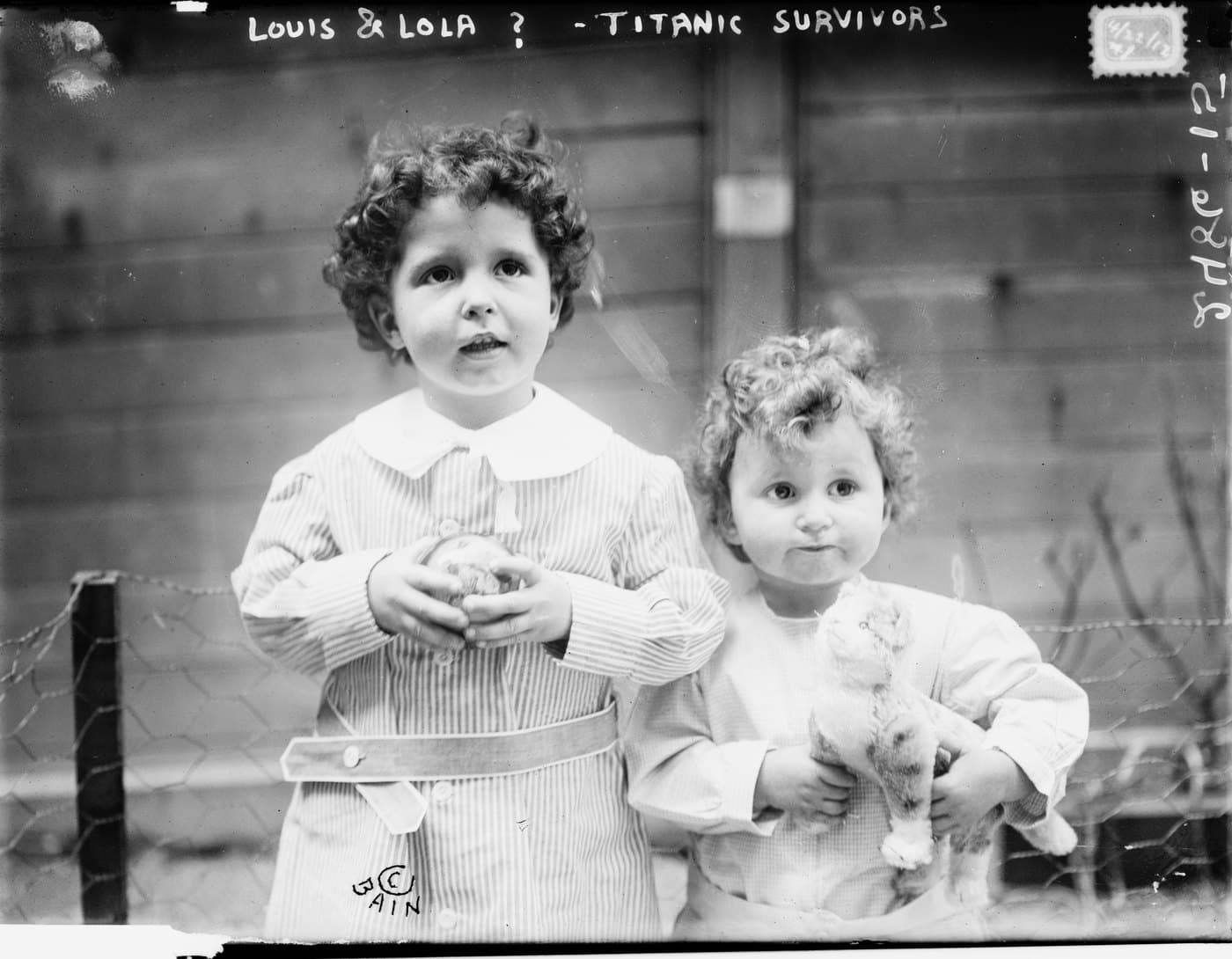
In April 1912 two small boys came off the Carpathia and nobody knew who they were. Their photograph was published as evidence. Somebody recognised them. Fourteen public-domain survivor photographs still carry the archive's own question marks.
 Story
StorySomebody's relative recognised them and wrote in, decades late
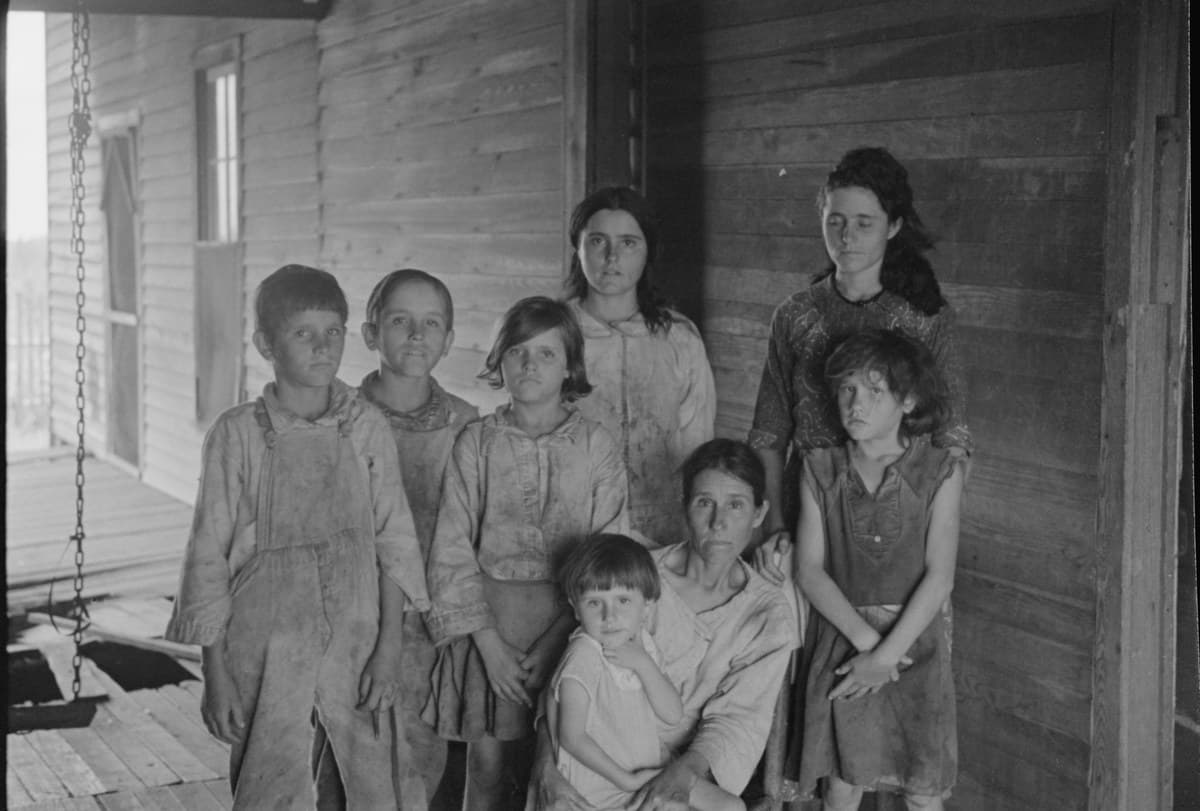
In the summer of 1936 two photographers documented the same crisis. One wrote down names, the other did not. Ninety years on, the national archive credits one identification simply to a family member. That is the whole argument for writing names down while somebody still knows them.
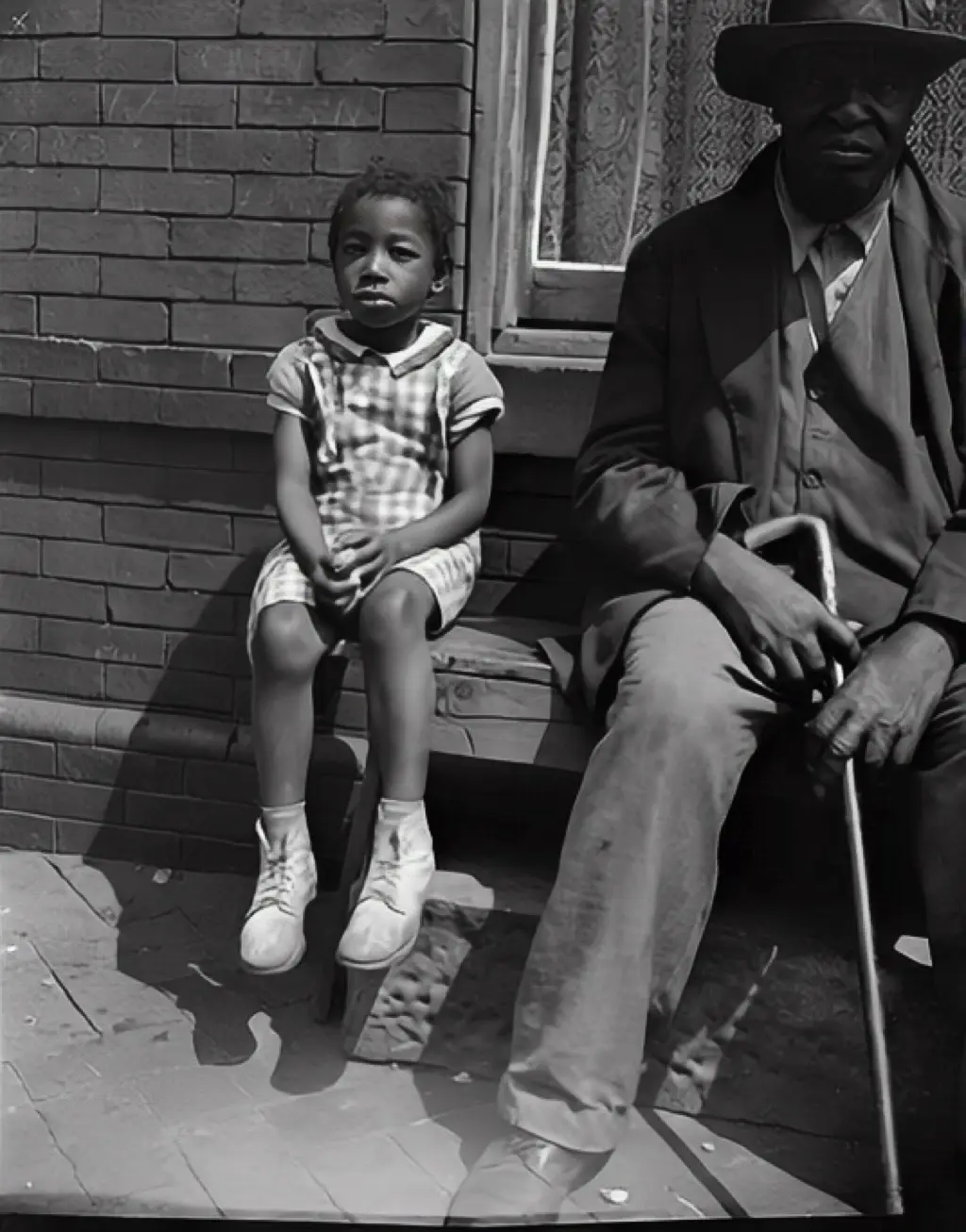 Guide
GuideBefore they're gone: writing down the names while someone still remembers
Damage to an old photo is the obvious problem. The quieter one is the name nobody can place. A gentle guide to sitting down with the family and capturing who, where, and when, while the person who knows is still here to ask.